Sports Medicine

Objective athlete rehabilitation and performance analysis

Support sports injury rehabilitation with precise biomechanical analysis. Bio6 enables clinicians to track athlete recovery, evaluate movement symmetry, and generate objective return-to-play reports.
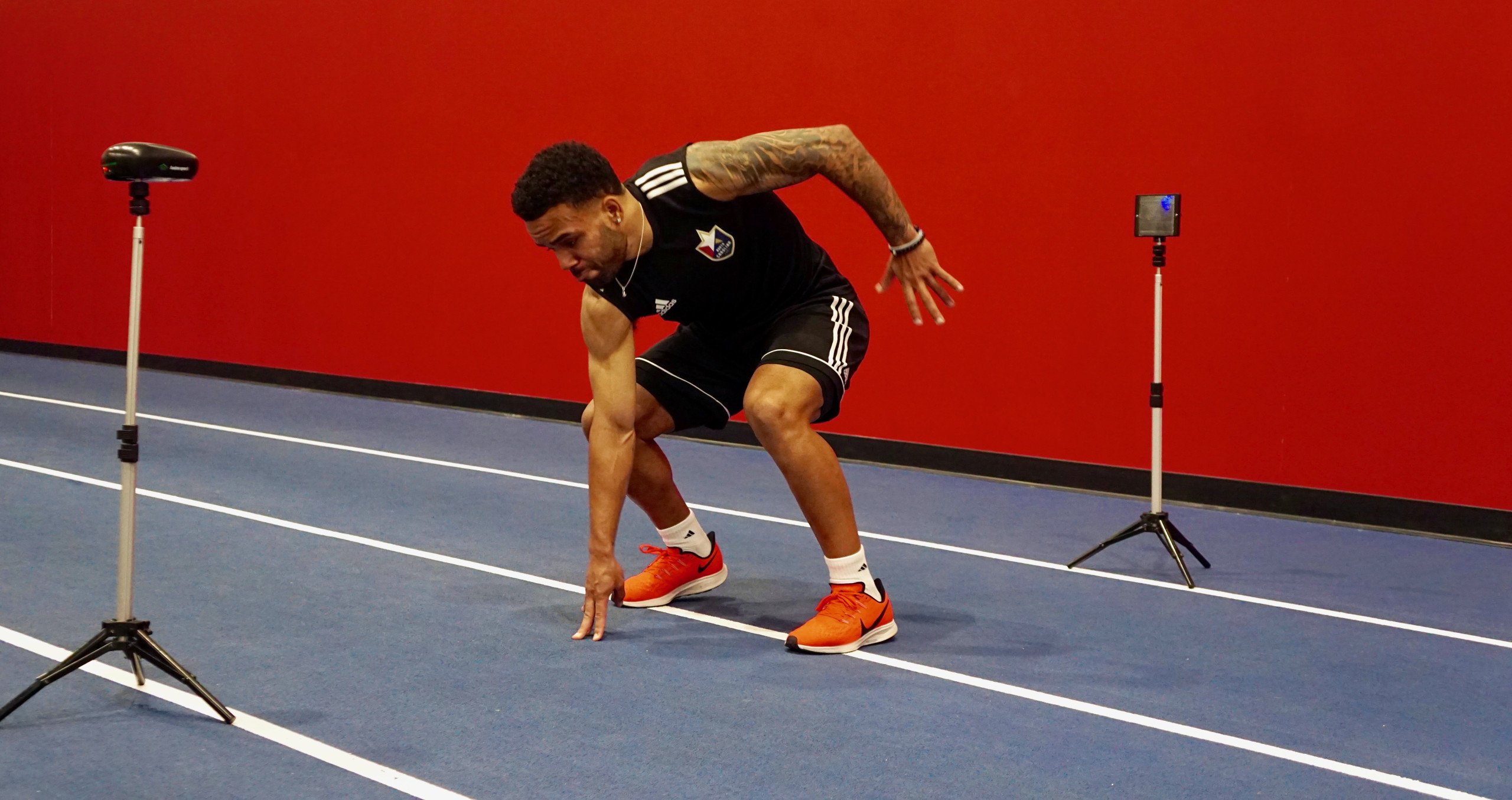
Athlete performing speed test with bio-sensor tripods measuring movement
Objective performance measurement

Challenges in sports injury rehabilitation and performance analysis

Athletes recovering from injuries must regain strength, mobility, and neuromuscular control before returning to sport. Clinicians must evaluate whether athletes can safely resume training without increasing the risk of re-injury.

Traditional assessments often rely on visual observation and subjective testing: making it difficult to quantify performance deficits or produce the objective evidence required for confident return-to-play decisions.

Bio6 introduces objective movement analytics to support sports medicine professionals with precise, sensor-based biomechanical data.

Detect movement asymmetries

Sensor-based analysis captures left-right imbalances in landing mechanics and dynamic movement patterns that are difficult to observe visually.

Track athlete recovery progression

Compare session-over-session movement data to identify consistent recovery trends and adjust training loads based on objective biomechanical evidence.

Evaluate performance deficits

Quantify strength, stability, and neuromuscular control deficits that may persist after injury and increase re-injury risk on return to sport.

Support return-to-play decisions

Provide team physicians and coaches with objective symmetry scores and functional performance benchmarks to support safe, evidence-based return-to-play decisions.

Remote performance assessments

Athletes can complete remote performance and return-to-play assessments outside the clinic using BioBand.

Clinical Example

ACL rehabilitation for a soccer athlete

An athlete recovering from ACL reconstruction must regain knee stability and strength before returning to competitive play. Clinicians perform a single-leg squat test and jump landing analysis using BioBand sensors to evaluate return-to-play readiness.

Assessment

Jump landing analysis

BioBand sensors capture objective biomechanical data during a standardised jump landing test:

  • Knee flexion angle at landing
  • Landing force symmetry (left vs right)
  • Muscle activation timing
  • Movement stability score
Bio6 Report. Jump Landing

Landing symmetry

Left leg

82%

Right leg

96%

Stability score

74

/ 100

Knee valgus angle

Detected excessive inward movement during landing: indicates residual quadriceps weakness on the injured limb.

Bio6 Clinical Insight

Landing symmetry deficit of 14% suggests the athlete is not yet ready for return to competitive play. Recommend continued single-leg strengthening before re-assessment.

A data-driven performance evaluation workflow

A structured approach from baseline assessment to long-term performance monitoring.

01

Assess athlete baseline

Capture mobility, stability, and movement symmetry using BioBand sensors to establish a performance baseline before or after injury.

02

Monitor injury rehabilitation

Track improvements in movement quality and symmetry during rehabilitation sessions with continuous objective measurement.

03

Evaluate return-to-play readiness

Analyse symmetry scores and functional performance metrics to determine whether the athlete is ready to resume full sport participation.

04

Track long-term performance

Monitor athlete performance trends across seasons to detect early signs of fatigue, asymmetry, or injury risk.

Reports

Athlete data, performance outcomes

Bio6 captures objective biomechanical signals and converts them into clinically meaningful performance insights.

Bio6 · Athlete Performance Report

Landing symmetry

Session 170%
Session 379%
Session 692%

Bio6 Insight

Landing symmetry improved by 22% across 6 sessions: athlete approaching return-to-play threshold.

Athlete

T. Morel

ACL Rehabilitation · Week 8

Soccer · Return-to-play target: Week 12

Objective assessments for sports rehabilitation

Objective assessments for sports rehabilitation

BioBand enables clinicians to capture standardised, objective performance data during rehabilitation exercises.

Sports injuries supported

ACL rehabilitation
Hamstring injuries
Shoulder instability
Ankle sprains
Muscle strain recovery

Jump and landing analysis

Evaluate landing mechanics and detect asymmetries that increase injury risk during athletic movement.

Mobility assessment

Measure joint mobility and flexibility during sport-specific movement tasks and rehabilitation exercises.

Strength and stability evaluation

Analyse neuromuscular control and stability during functional performance tests and rehabilitation protocols.

Movement symmetry monitoring

Detect limb imbalances during athletic movements to guide targeted rehabilitation and reduce re-injury risk.

Outcomes

Athlete data, performance outcomes

Bio6 captures objective biomechanical signals and converts them into clinically meaningful performance insights.

Jump landing symmetry tracking

Compare landing force distribution between limbs across every rehabilitation session. Identify persistent asymmetries and track progress toward symmetry benchmarks required for return to play.

Movement symmetry index

Measure left-right balance during dynamic movement tasks. Detect asymmetries that may indicate residual strength deficits or neuromuscular control impairments following injury.

Return-to-play milestone scoring

Track athletes against evidence-based performance benchmarks. Give clinicians a clear signal of where each athlete stands relative to sport-specific return-to-play criteria.

Performance reports for coaches

Generate structured clinical outcome reports documenting athlete rehabilitation progress: shareable with team physicians, physiotherapists, coaches, and insurers.

Bio6 has given us the objective data we need to make confident return-to-play decisions. We can now track landing mechanics and movement symmetry with precision.

Finish the day with the notes done and the progress proven

Thirty minutes, in English or French, on your own cases: your note template, your CNESST reports. Then you decide.

No obligation · a 30-minute walkthrough tailored to your clinic.

WHAT IT INCLUDES

Operations, care and clinical intelligence: one record, built on measurement

CLINICAL OPERATIONS

From booked to billed, without re-entry

Schedule, patient record and billing share one file: the day moves without retyping names, codes or notes.

Explore Clinical Operations
CLINICAL CARE

Know who did their exercises: before they're on your table

Assign the home program from the session; adherence and pain come back into the record, so the next visit starts informed.

Explore Clinical Care
CLINICAL INTELLIGENCE

Answer “is it working?” with a trend, not a feeling

Range, symmetry and pain charted session over session: evidence for the patient, the physician and the payer.

Explore Clinical Intelligence

common.faq